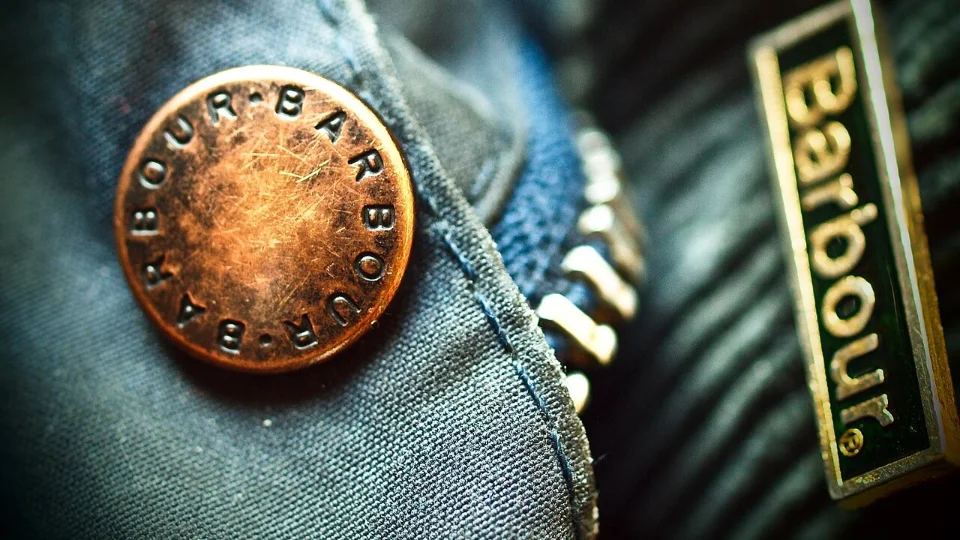
品牌史志2026/05/29 08:06:48Barbour: The Fishermen's Oilskin That Became a Diplomat's GiftIn 1894, a Scottish draper opened a shop in South Shields to sell oilskins to North Sea fishermen. One hundred and thirty years later, the same family still owns the factory on the same street, and their jacket has been worn by Steve McQueen in ISDT motorcycle races, by Princess Diana as a Sloane Ranger signifier, by Glastonbury festivalgoers in the mud, and by the British Prime Minister as a state gift to a US President. This is how Barbour happened — and why it never had to sell.
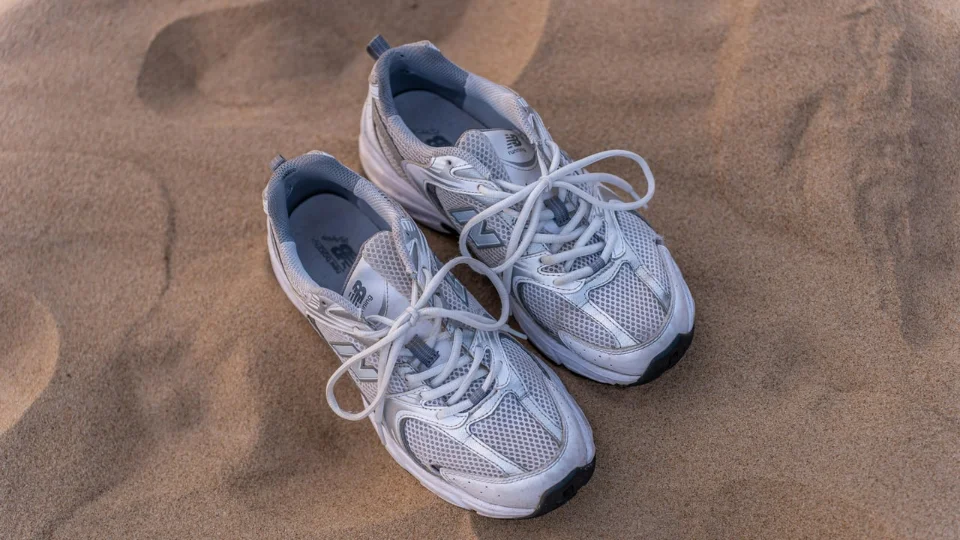
品牌史志2026/05/28 08:05:51New Balance: The Arch Support Company That Survived Every Sneaker EraIn 1906, an Irish immigrant named William Riley opened a company in Boston to make arch supports — and kept a chicken foot on his desk to explain how they worked. In 1972, a 28-year-old named Jim Davis bought the entire six-person operation on Boston Marathon day. What followed was a brand that spent decades being mocked as the "dad shoe" choice while quietly building a loyal customer base, a Made in USA manufacturing identity, and the financial stability to absorb cultural irrelevance — until collaborations with Aimé Leon Dore and others turned New Balance into one of the most coveted names in sneakers. Revenue: $6.5 billion in 2023, still privately held.
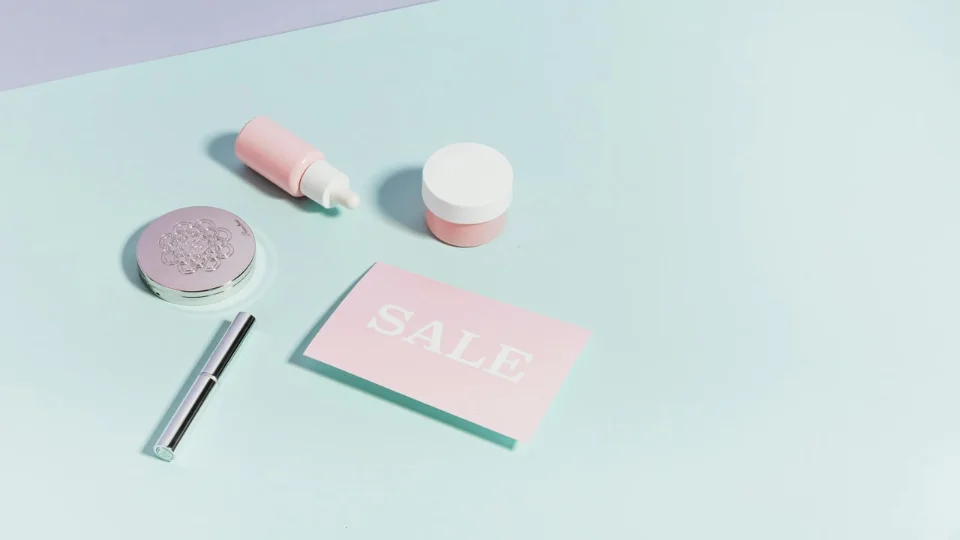
品牌史志2026/05/27 08:06:07Glossier: How a Vogue Intern's Beauty Blog Became a $1.8B Unicorn — and Then Didn'tIn 2010, a 24-year-old Vogue fashion assistant launched a beauty blog by photographing people's bathroom shelves. By 2019 the company it spawned was worth $1.2 billion. By 2025, half that. This is Glossier's full story: the blog that created a feedback loop no brand had managed, the unicorn valuation built on a tech-company story around a skincare business, and the 2022–2026 reckoning that followed.